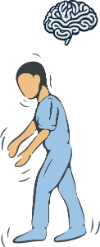
| 1. Discuss if you are experiencing problems with balance or have a history of falls. |
2. Discuss if you are taking any prescription medications to treat other conditions, such as pain, depression, cancer, or for an autoimmune disorder. |
3. Report and discuss any concerning effects of medical marijuana with your physician. |
| Patients who are experiencing falls or risk for falling, and/or problems with balance, may experience worsening problems with balance if using medical marijuana. | Certain compounds found in medical marijuana can interact with medications for those conditions and may require further dosing adjustments that should be guided by a physician. | There are many possible interactions between medical marijuana, diseases, medications, and other substances. Therefore, regular communication with your healthcare provider can assist in identifying risks. |
Please note: This document is for informational purposes only, but is not medical or legal advice and should not be used to make healthcare decisions. Please consult your healthcare provider to find out what treatment options are available for you.
1The 2020 Florida Statutes. Title XXIX, Chapter 381, section 381.986: Medical use of marijuana.
2National Institute of Neurological Disorders and Stroke. National Institutes of Health. Parkinson’s Disease. Updated March 5, 2025.
3Urbi B, Corbett J, Hughes I, Owusu MA, Thorning S, Broadley SA, Sabet A, Heshmat S. Effects of cannabis in Parkinson’s disease: A systematic review and meta-analysis. Journal of Parkinson’s Disease. 2022 Feb 15;12(2):495-508.
4Varshney K, Patel A, Ansari S, Shet P, Panag SS. Cannabinoids in treating Parkinson's disease symptoms: a systematic review of clinical studies. Cannabis and Cannabinoid Research. 2023 Oct 1;8(5):716-30.
5National Academy of Sciences, Engineering, and Medicine. 2017. The health effects of cannabis and cannabinoids: The current state of evidence and recommendations for research. Washington, DC: The National Academies Press.
Updated 2025